Italy’s hotels are evolving, blending heritage, modern design, and immersive experiences to redefine luxury and wellness travel.
Italy’s allure, its art, cuisine, and landscapes, has always drawn travelers from across the globe. Today, the country’s hotel industry is undergoing a transformation. Post-pandemic travel trends, sustainability, and personalized luxury experiences are reshaping Italian hospitality. Leading the way is the W Sardinia – Poltu Quatu, a lifestyle-driven resort redefining coastal luxury with its bold design, marina-view dining, beach club, and spa facilities. It exemplifies how global brands are bringing modern energy to Italy’s classic charm.

Eco-conscious travel is no longer optional, it’s expected. Hotels like Borgo Santo Pietro in Tuscany and JK Place Capri are pioneering sustainable luxury. From organic farm-to-table cuisine to eco-friendly design, these properties combine intimate scale, personalized service, and a deep connection to local culture. Guests are no longer just looking for a room, they seek meaningful, immersive experiences that respect the environment.

Italy’s historic hotels continue to captivate modern travelers. Hotel Eden in Rome and Villa d’Este on Lake Como offer timeless elegance while integrating contemporary comforts. Renovations, curated art, and modern amenities ensure that heritage properties remain relevant in a market increasingly focused on experiential luxury. These hotels demonstrate how tradition and modernity can coexist in conversation.

Even in Italy, known for its warm hospitality, technology is becoming essential. Urban hotels like Romeo Napoli use smart-room features, mobile concierge apps, and contactless check-ins to streamline service while enhancing guest comfort. By blending innovation with personalized care, these properties meet the expectations of modern travelers without sacrificing the Italian touch.

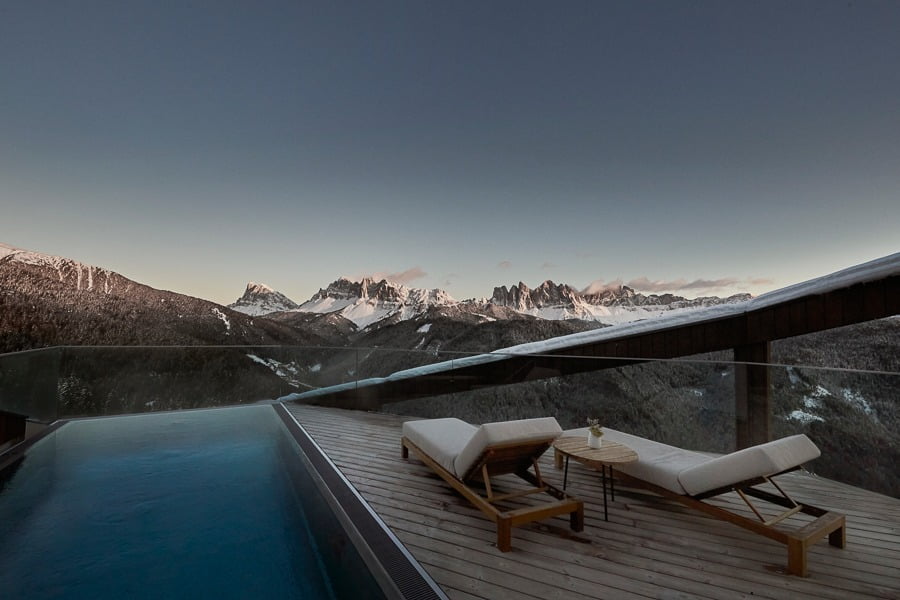
Italian hotels are increasingly focused on holistic experiences. Resorts like W Sardinia – Poltu Quatu and wellness retreats in the Dolomites combine spa treatments, gastronomic journeys, and cultural immersion. Guests seek more than a stay, they want a curated lifestyle experience that nourishes body, mind, and soul.
Italy’s hotel industry is attracting investment both from domestic entrepreneurs and global brands. Luxury developments in Sardinia, Milan, and Venice coexist with boutique and rural properties, signaling a diversified growth strategy. Properties that merge luxury, sustainability, and local authenticity are increasingly the most successful, illustrating where the industry is heading.
Italy’s hotels are entering a new era where innovation, sustainability, and personalized experiences define success. From heritage landmarks to cutting-edge resorts, the country is leading a renaissance in hospitality. Travelers now have the chance to experience Italy’s famed la dolce vita in a way that feels both authentic and modern.

