In the most carefully curated hotels and yachts, art is rarely the first thing you notice. And that is precisely the point.
You might remember the space as calm, or quietly impressive. You might recall a certain balance: nothing excessive, nothing missing. The experience feels resolved, almost inevitable, as if it could not have been arranged any other way. And yet, if asked to describe the artworks themselves, most guests would hesitate.
This is where art consultancy operates at its highest level: not in visibility, but in control.
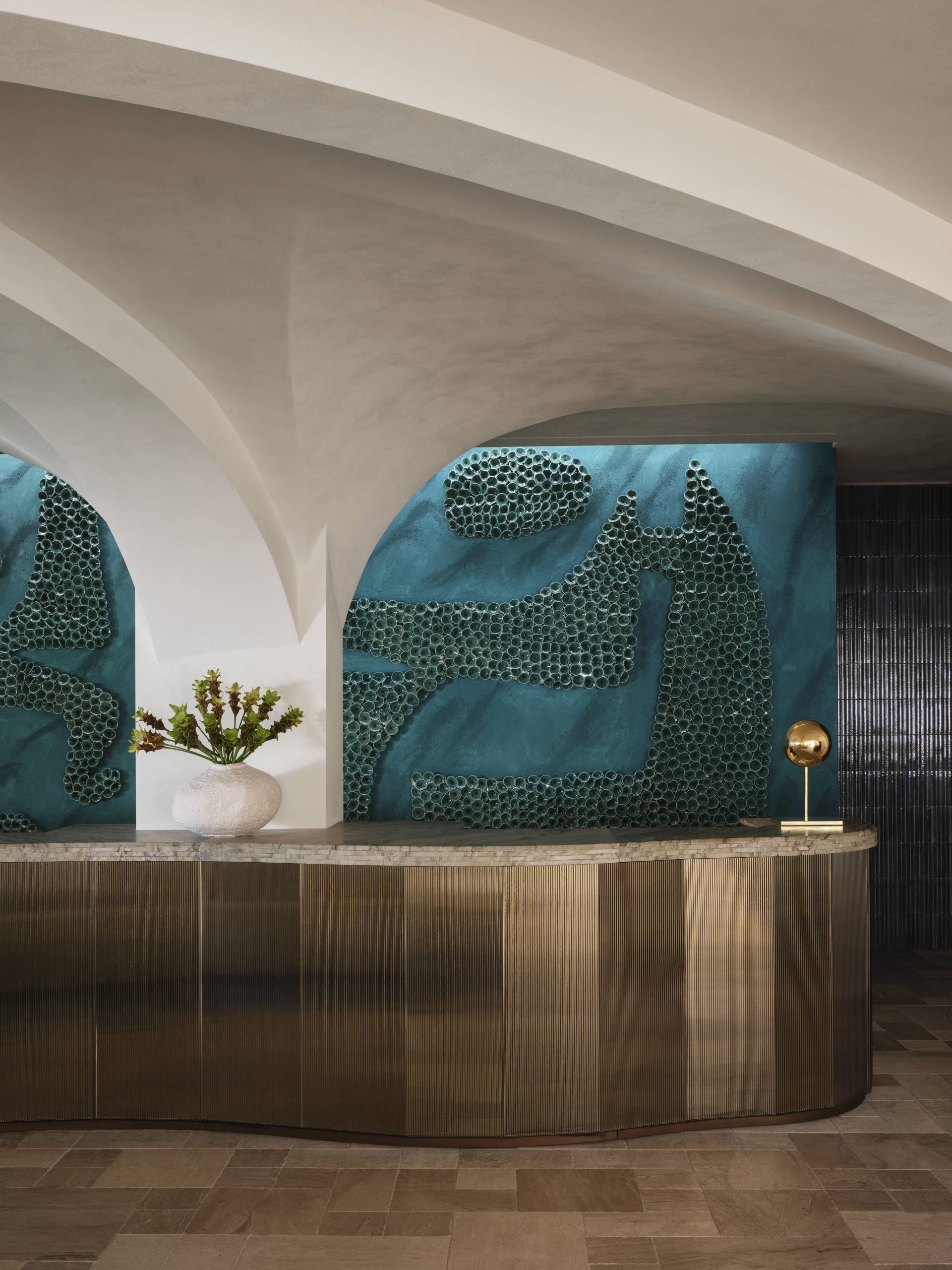
Much of hospitality still treats art as a visible asset. Works are selected to match interiors, to signal taste, or to fill space. The result is often competent, occasionally beautiful, but rarely memorable. The art exists as a layer applied onto a finished environment.
The more sophisticated approach reverses this logic.
Here, art is not an addition, it is a structuring element. It shapes how a space is read, how it unfolds, and how it is remembered. A sculpture is not simply placed; it anchors a room. A painting does not decorate a wall; it adjusts the perceived scale of the space. Even absence becomes deliberate, allowing certain moments to expand rather than compete. In this context, the consultant is not selecting objects, but calibrating perception.
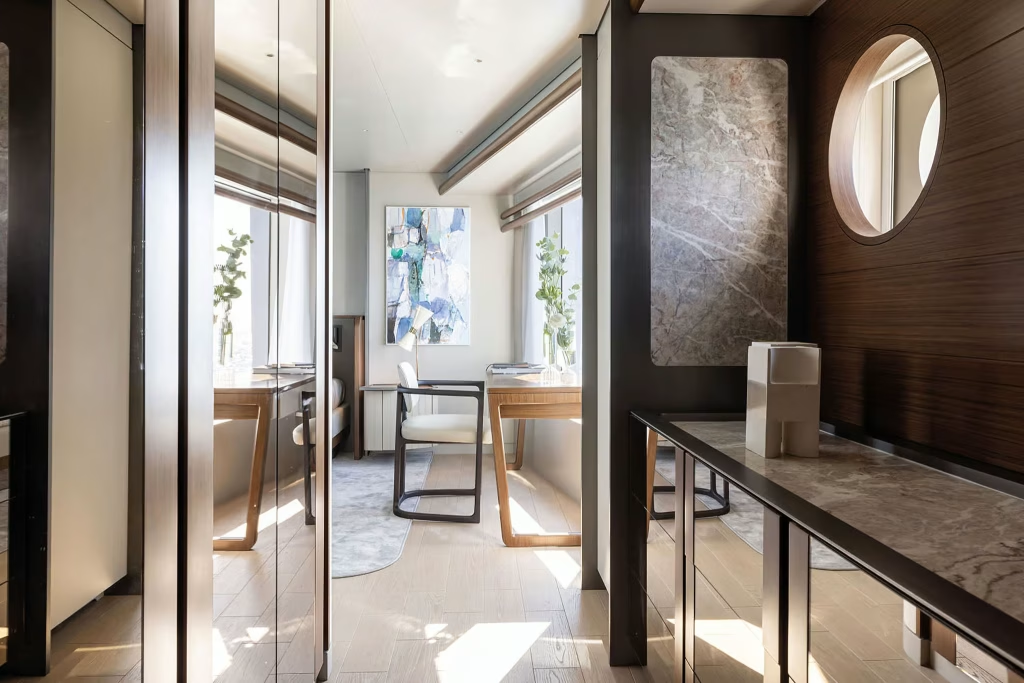
Placement is often misunderstood as a final step, something resolved after design decisions are made. In reality, it is one of the most critical tools in art consultancy. A few centimeters can shift the balance of a room. A work placed too centrally becomes declarative; too peripheral, and it disappears. The correct position is rarely obvious, but when achieved, it feels unquestionable.
This sensitivity becomes even more pronounced in transitional spaces—corridors, thresholds, and passages that guests move through without stopping. These are not places of attention, but of rhythm. Art here works below the level of conscious observation, guiding pace and subtly altering perception.
On yachts, this precision must account for movement itself. Light shifts continuously, reflections multiply, and perspectives are never fixed. A work that appears stable in a showroom becomes dynamic at sea. Placement, therefore, is not static—it anticipates change.
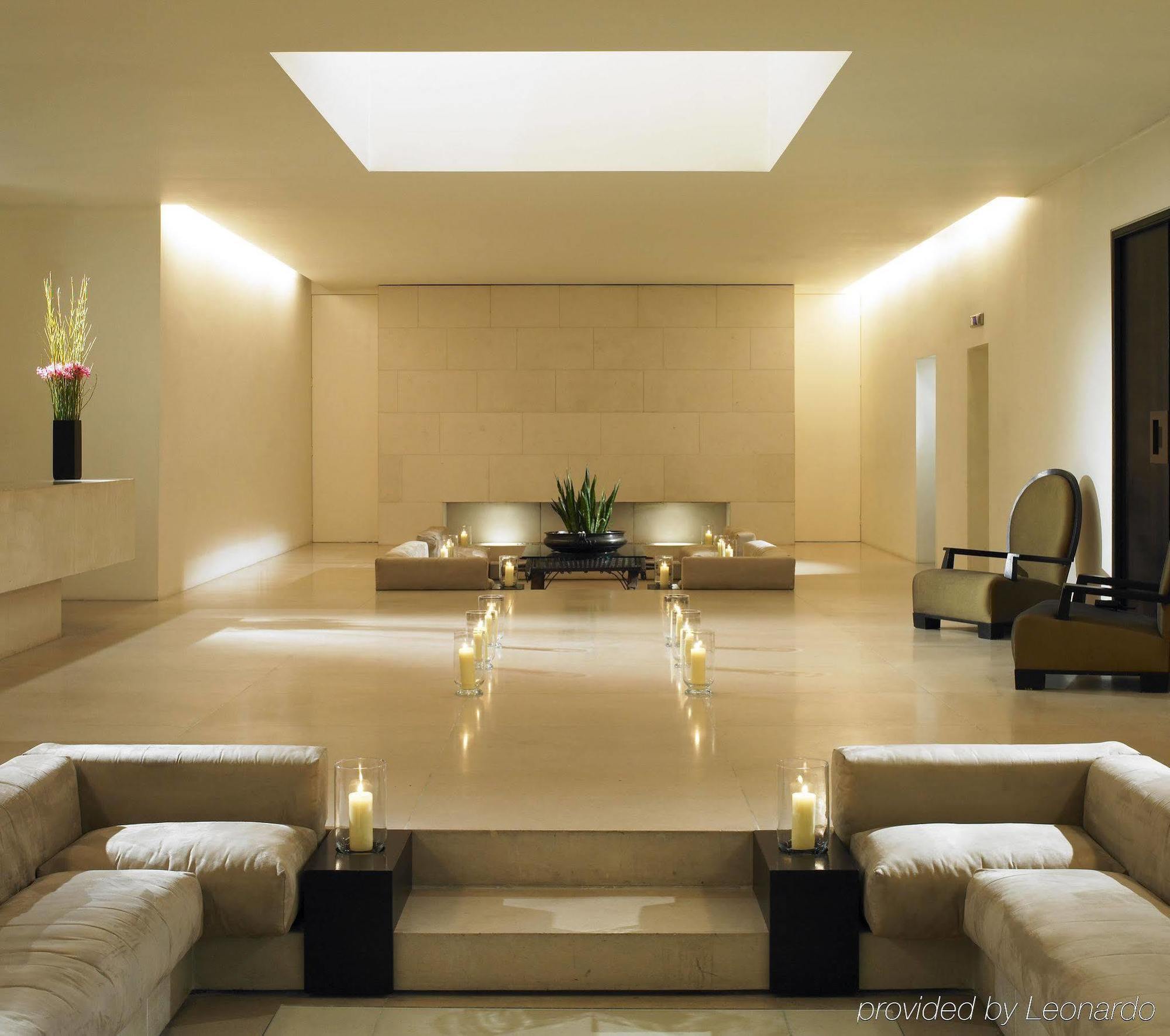
One of the clearest indicators of inexperienced curation is excess. There is a tendency, particularly in luxury environments, to equate value with presence. More works, more visibility, more statements. Yet the most compelling spaces resist this entirely. They understand that visual clarity is not achieved by addition, but by control.
Restraint is not minimalism for its own sake. It is a strategic decision to allow space, light, and material to carry equal weight with art. It ensures that each element has consequence.
For the consultant, this often involves a quieter form of authorship: knowing when to stop. Not every wall requires articulation. Not every space needs a focal point. Some of the most powerful decisions are the ones that remove rather than introduce.
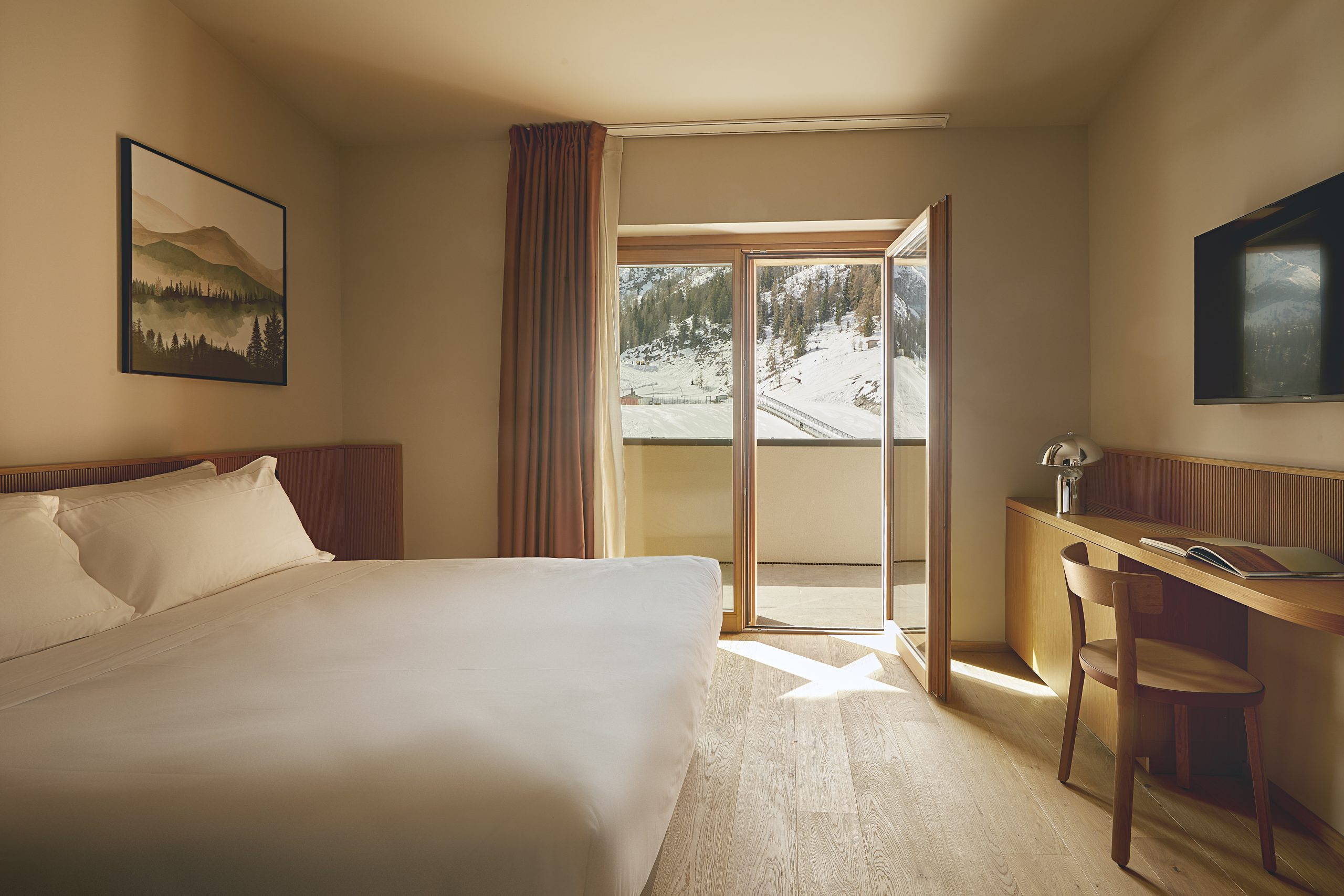
Unlike other disciplines, art consultancy rarely leaves a visible signature. There is no recognisable style that announces who curated the space. And yet, the influence is continuous.
It exists in how one room leads into another, in how materials and artworks relate, in how nothing feels isolated or unresolved. The experience is cohesive without being repetitive, intentional without being forced.
This lack of signature is not a limitation, it is a form of precision. The goal is not to impose identity, but to refine it. The best consultants do not make spaces look “curated.” They make them feel complete.
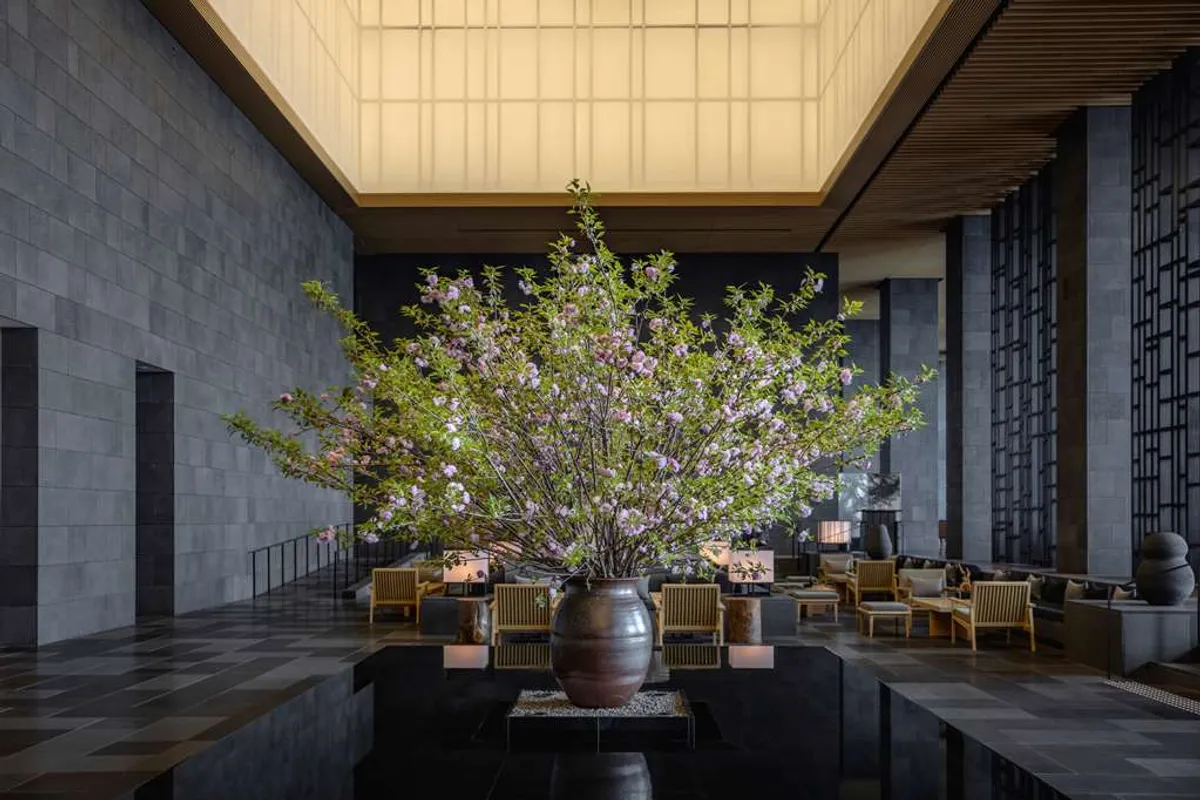
Art consultancy is often evaluated through what can be easily identified, the artists involved, the value of the works, the visibility of the collection. These metrics are convenient, but they miss the essence of the discipline.
At its most effective, art consultancy does not draw attention to itself. It operates through alignment, proportion, and timing. It shapes how a space is experienced without becoming the subject of that experience.
What remains is not a memory of individual works, but a sense of coherence, something difficult to describe, but immediately felt. And that is the paradox. The more successful the consultancy, the less visible it becomes.

