Rooted in Sardinian ceramic tradition and guided by generations of knowledge, Walter Usai reimagines ancient forms through a contemporary lens, turning clay into a bridge between heritage and modern design.
In Sardinia, ceramics are more than objects, they are vessels of memory, identity, and place. For artist Walter Usai, this connection is deeply personal. Raised in close contact with his father, whom he describes as a “living encyclopedia” of island ceramic art, Usai developed an understanding of craftsmanship that is both reverent toward tradition and open to reinvention.
His work moves fluidly between past and present, preserving ancient techniques while exploring forms and contexts that speak to contemporary spaces. This balance is beautifully embodied in his circular amphorae created for the W Hotel in Poltu Quatu, where Sardinian heritage meets modern design. In this conversation, Usai reflects on family legacy, the cultural power of ceramics, and his desire to continue shaping new creative paths while staying grounded in tradition.
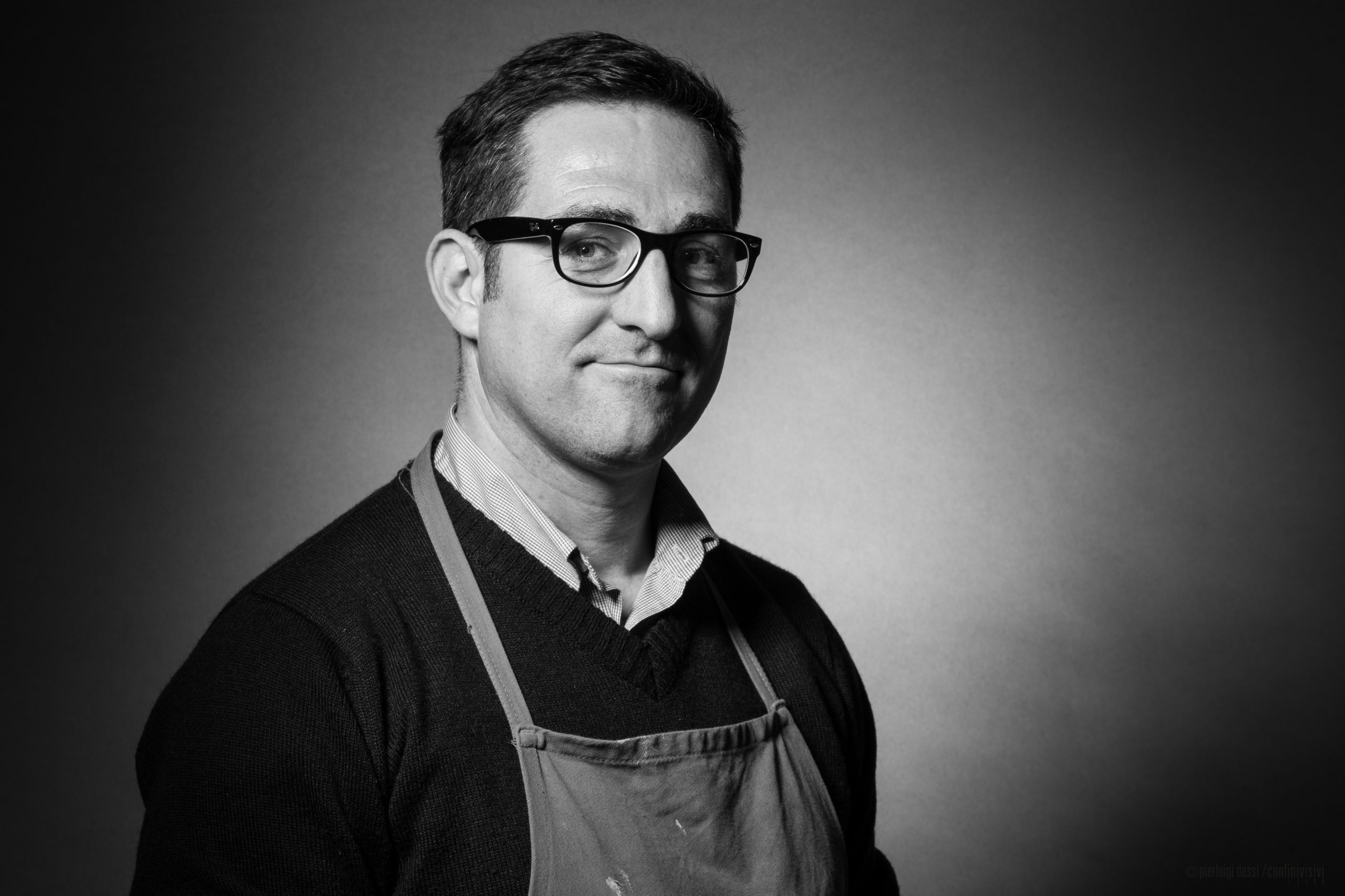
Walter Usai: My way of understanding art has been deeply influenced by the constant presence of my father, whom I consider a true living encyclopedia when it comes to island ceramic art. His experience and knowledge have inspired and guided me along my artistic path, enriching both my understanding of and my approach to working with ceramics. This family connection and his role as a source of knowledge have helped shape my style, making my work even more meaningful and deeply rooted in island tradition.
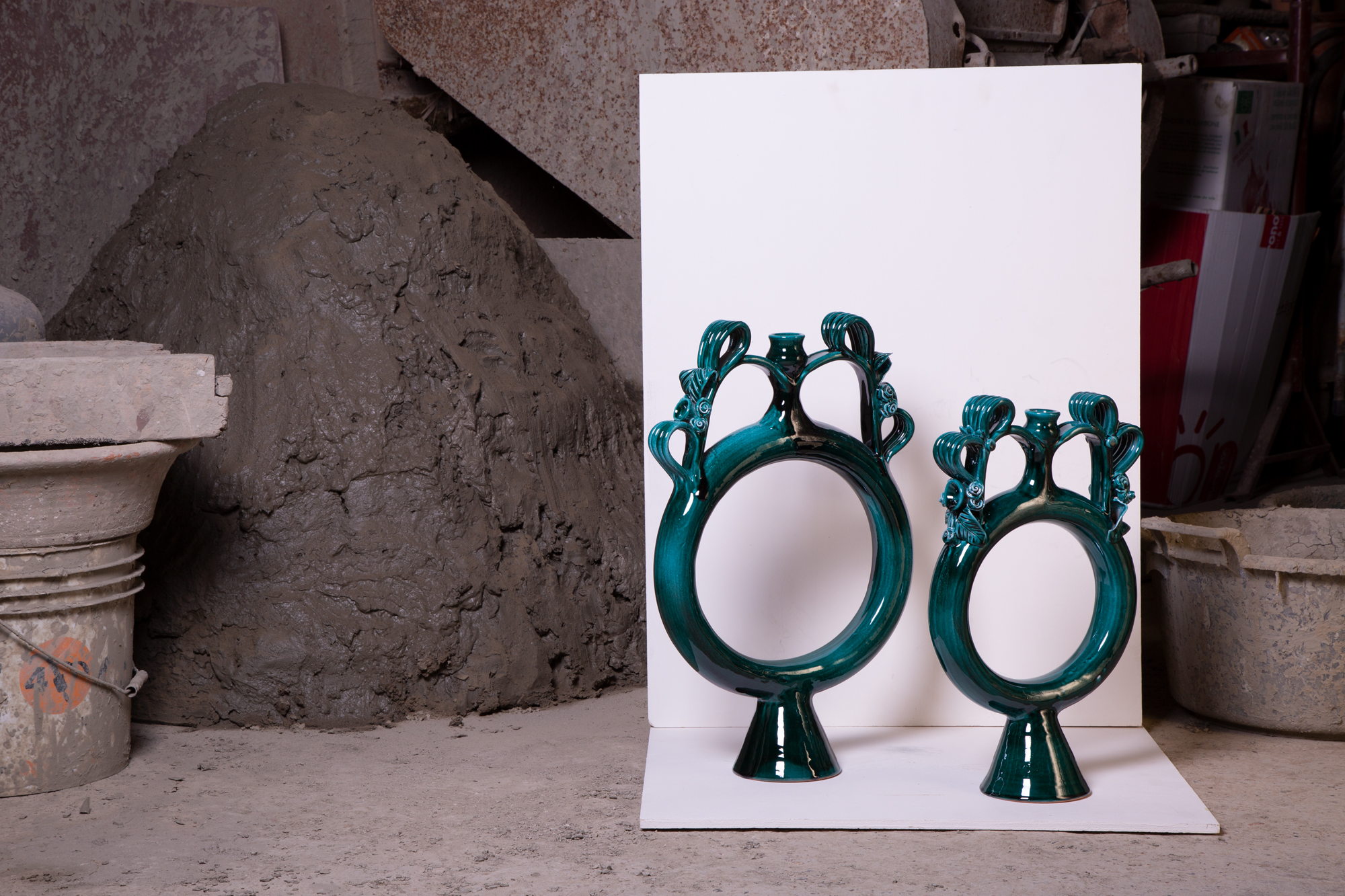
WU: It was a fantastic experience to bring our ring-shaped amphorae into a contemporary setting such as the W Sardinia in Poltu Quatu. I believe it is essential to enhance traditional craftsmanship by reinterpreting it in a modern way. We should never forget our past, but rather remember it with elegance and contemporary style.
WU: I find it fascinating how ceramic works from the past not only served a practical function but can also convey a sense of beauty and history that enriches the present. Finding a balance between past and present allows us to appreciate the techniques and values of earlier times while keeping today’s creativity and innovation alive. In this sense, ceramics become a bridge between eras, a way to preserve memory while at the same time expressing one’s own personality and contemporary style.
WU: The circularity of the ring-shaped amphora is expressed through its form and through the concept of reinventing what is already available, transforming it into new art.
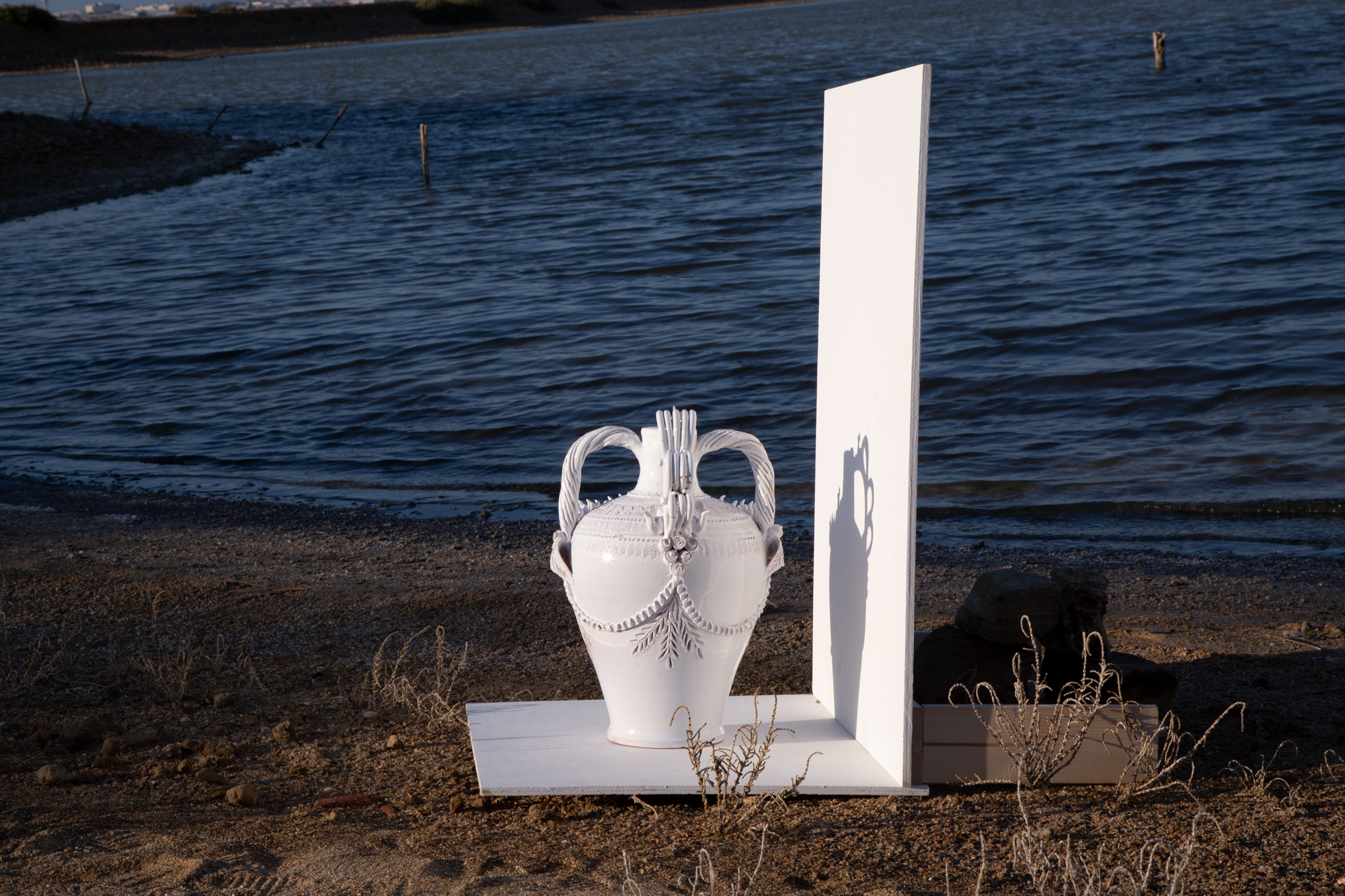
WU: Ceramics represent an important material testimony that reflects the tradition and identity of a community. Through craftsmanship, this art form embodies techniques and styles passed down from generation to generation, helping to strengthen a sense of belonging and territorial identity. Ceramics are not only functional objects but also cultural symbols that highlight the roots and characteristics of a place.
WU: The sense of connection between my work and tradition certainly lies in the technique, which has remained unchanged for thousands of years.
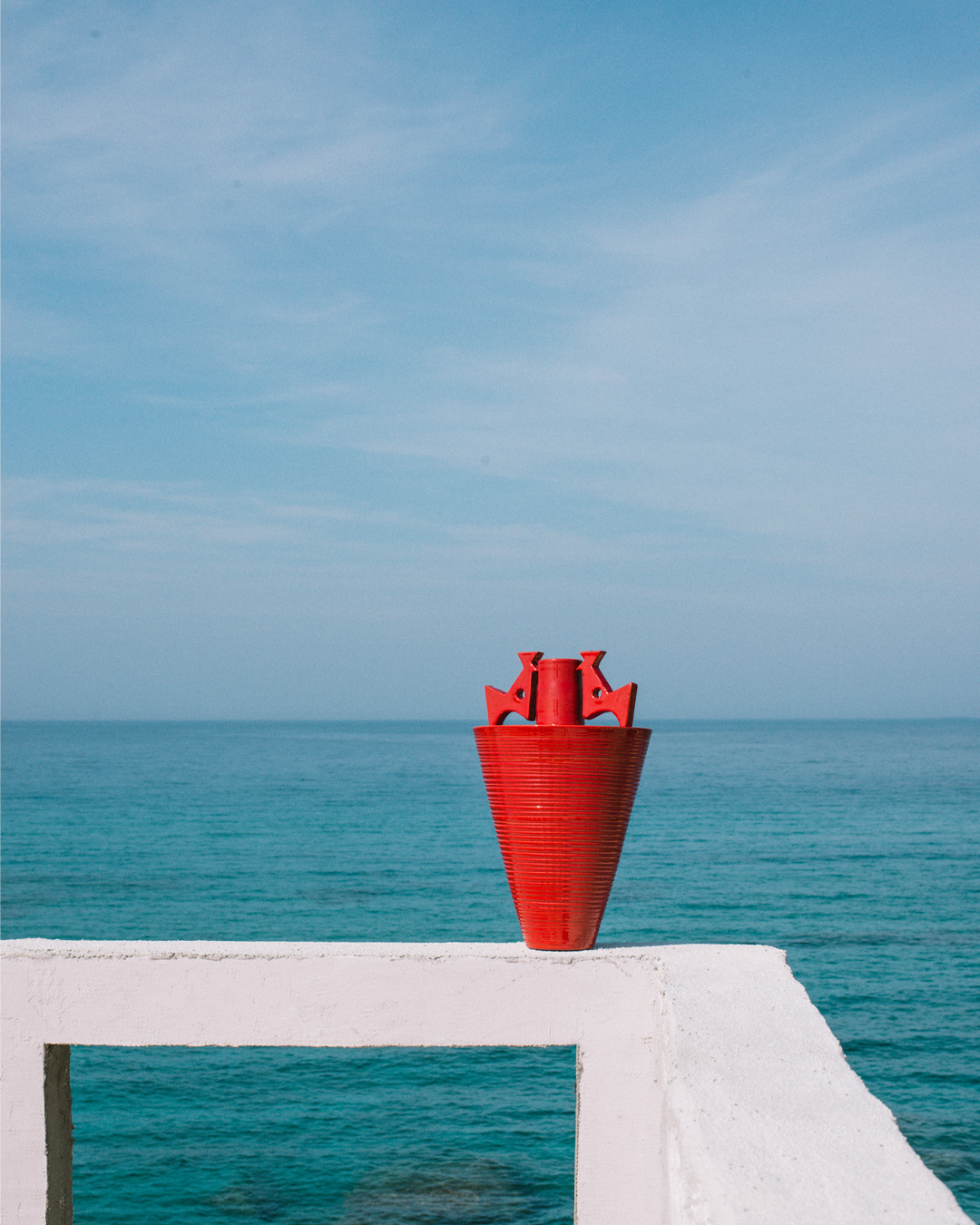
WU: Absolutely! Since I am still young, I am eager to gather new experiences and creative collaborations. There are many opportunities to develop one’s talent, learn from professionals in the field, and enrich one’s professional journey…

